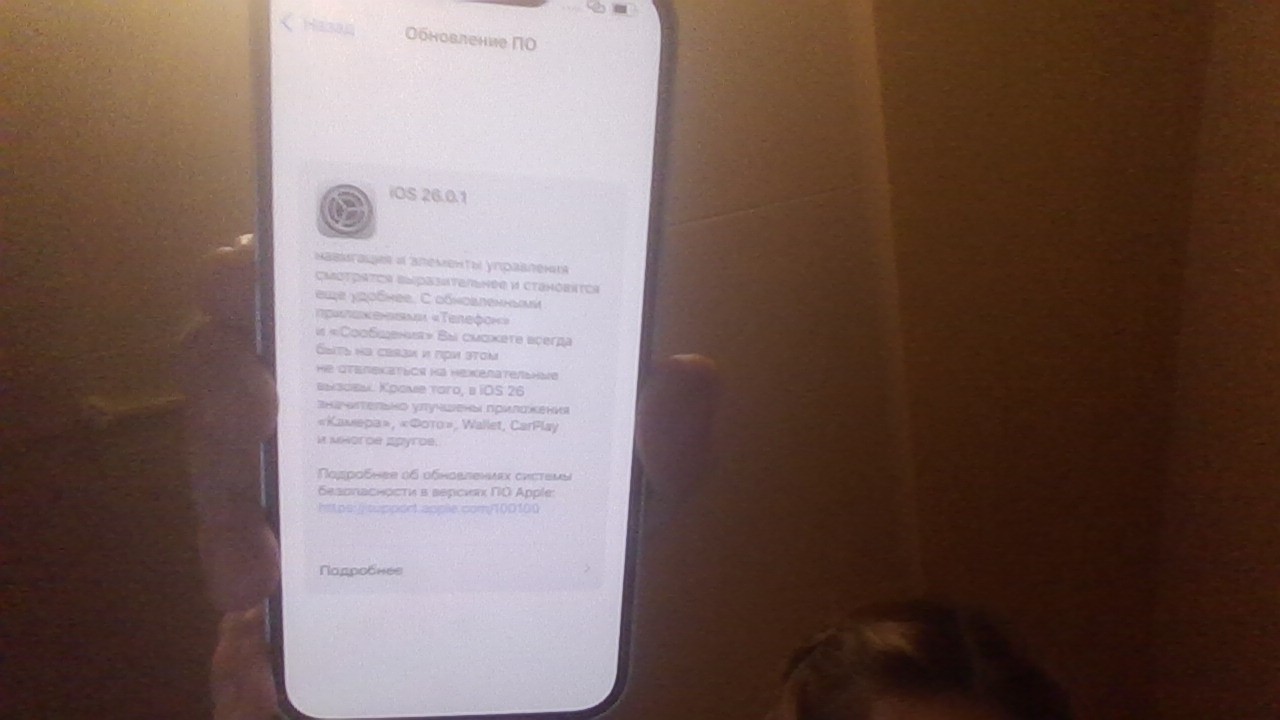
The anticipation surrounding a new iOS release is always palpable, and the iOS 26 update, officially launched by Apple in September 2025 for compatible iPhones (including the iPhone 11 series and newer), is no exception. With its promise of exciting new features, refined UI changes, and significant performance enhancements, users are eager to dive in. However, that excitement can quickly turn to frustration when the update seems to take an eternity to download or install. Many, even those with the latest iPhone 15 or 16, find themselves asking: How Long Does iOS 26 Update Take? Get Estimated Installation Times when it feels like it’s going at a snail's pace.
If your iOS 26 update is taking forever, you're not alone. This comprehensive guide will help you understand the typical timelines, diagnose why your update might be slow, and provide actionable solutions to get your iPhone back on track. We'll explore everything from network issues to device limitations, ensuring you have the tools to troubleshoot and successfully install iOS 26.
Understanding the iOS 26 Update Timeline
The duration required to successfully install a new iOS update is not a fixed number; it's a dynamic process influenced by several critical factors. These include your specific iPhone model, the sheer size of the update file, the speed and stability of your internet connection, and even the current load on Apple's servers. Minor updates, typically consisting of bug fixes or security patches, are generally swift. In contrast, major system overhauls like upgrading from an older version (e.g., iOS 18) to iOS 26 are considerably larger, packed with new features, and consequently demand more time for both download and installation.
To give you a clearer picture, here’s a step-by-step breakdown of the estimated time for each stage involved in the iOS 26 update process:
- iOS 26 Download (10–40 minutes): This is often the longest phase if your internet isn't optimal. The iOS 26 update file is quite substantial, meaning download time is predominantly dictated by your internet speed. A robust Wi-Fi connection is paramount here; avoid relying on cellular data unless absolutely necessary and your plan allows for large downloads. Furthermore, consider that Apple's servers can experience high traffic immediately after a major release, which can also impact download speeds.
- Preparing Update (5–15 minutes): Once downloaded, your iPhone doesn't jump straight into installation. During this crucial stage, your device performs a series of background tasks. It checks for compatibility with your hardware, decrypts the update file, allocates necessary system resources, and ensures everything is in order before proceeding. Insufficient storage space can significantly prolong this phase or even cause it to fail.
- Verifying Update (1–5 minutes): This is a quick but essential security checkpoint. Your iPhone verifies the integrity and authenticity of the downloaded update package, ensuring it hasn't been tampered with and is complete. This step helps prevent the installation of corrupted or malicious software.
- Installing iOS 26 (10–30 minutes): This is the core installation phase where your iPhone performs the actual system upgrade. Your device will restart, and you'll typically see the Apple logo with a progress bar. It's absolutely crucial not to interact with your iPhone during this step. Avoid pressing buttons, trying to restart it, or disconnecting it from power, as interrupting the installation can lead to serious software issues or even data loss.
- Final Setup (5–15 minutes): After the main installation and a final reboot, your iPhone isn't quite done. It will complete various background processes, optimize system performance for the new OS, and may prompt you to log in with your Apple ID or set up new features. Your device might feel a little warm during this optimization period, which is normal.
If your iPhone update process extends beyond an hour, or especially past 1-2 hours, it's generally a strong indicator that an underlying problem might be hindering progress. This is when it's time to start troubleshooting.
Why Your iOS 26.4 Update Might Be Taking So Long
When you find your How Long Does iOS 26.4 Update Take extending beyond typical expectations, it’s not just bad luck. There are several common culprits that can slow down or even stall the process. Identifying the root cause is the first step toward a solution. Here are the most frequent reasons why your iOS 26.4 update might be experiencing delays:
Poor Network Connection
An unstable, weak, or excessively slow internet connection is perhaps the most common reason for a delayed iOS update. If your Wi-Fi signal is dropping intermittently, experiencing high latency, or your network is congested with many devices, the download phase can stretch out considerably. A fluctuating connection can also lead to corrupted download files, forcing your iPhone to restart the download or verification process. For smooth performance, a stable, high-speed Wi-Fi connection is non-negotiable.
Large Update File Size
Remember that iOS 26 is a significant operating system upgrade, not just a minor patch. Moving from an older iOS version to 26 involves downloading and installing several gigabytes of data. This extensive file size naturally demands more time for both the download and the subsequent installation, regardless of how fast your internet or device is. Understanding these foundational Optimizing Your iOS 26 Update: Understanding Installation Factors is key to setting realistic expectations.
Insufficient Storage Space
This is a critical, yet often overlooked, factor. Every iOS update requires a substantial amount of free storage space not only for the downloaded update file itself but also for temporary installation files, decryption, and the overall system re-writing process. If your iPhone doesn't have enough available storage (Apple typically recommends at least 10-15GB free for major updates), the "Preparing Update" stage will either stall indefinitely or fail altogether. Your device simply won't have the necessary room to unpack and install the new operating system.
Apple Server Overload
Whenever a major iOS update like iOS 26 is released, millions of users around the world attempt to download it simultaneously. This immense demand can overload Apple's servers, leading to slower download speeds for everyone. If you're updating right at launch, consider waiting a day or two for the initial rush to subside, which often results in faster download times.
Older iPhone Model or Hardware Limitations
While iOS 26 supports devices as old as the iPhone 11 series, older hardware inherently processes tasks slower than newer models like the iPhone 15 or 16. An older processor, less RAM, or slower flash storage can significantly prolong the "Preparing Update" and "Installing iOS 26" phases. Your device might be compatible, but it won't be as swift as the latest generation.
Low Battery or Power Management
iPhones are designed to protect themselves and maintain stability. If your device's battery level is critically low (typically below 50%), it may refuse to initiate or complete an update. Furthermore, to prevent unexpected shutdowns during critical system writes, your iPhone might reduce its processing power or even halt the update, prolonging the overall installation time. Always ensure your device is plugged into power during an update.
Corrupted Download or Software Glitch
Occasionally, the update file downloaded to your device might become corrupted due to network instability, or a minor software glitch on your iPhone could be preventing the installation from proceeding smoothly. This can lead to the update getting stuck in verification or preparation stages, or simply failing to move past the Apple logo and progress bar.
Actionable Fixes for a Stalled iOS 26.4 Update
If you're facing a stubborn iOS 26.4 update that refuses to complete, don't despair. There are several effective troubleshooting steps you can take. Work through these solutions systematically to diagnose and resolve the issue:
1. Check and Optimize Your Network Connection
- Switch to a Stronger Wi-Fi Network: If possible, move closer to your Wi-Fi router or connect to a different, more reliable network. Public Wi-Fi is often too slow or unstable for large updates.
- Restart Your Router: A quick power cycle of your Wi-Fi router can often clear network glitches and improve connection stability.
- Reset Network Settings: Go to Settings > General > Transfer or Reset iPhone > Reset > Reset Network Settings. This clears all Wi-Fi passwords and network configurations, often resolving persistent connection issues. You'll need to re-enter your Wi-Fi password afterwards.
2. Free Up Sufficient Storage Space
- Verify Available Storage: Navigate to Settings > General > iPhone Storage. Ensure you have at least 15-20 GB of free space.
- Delete Unused Apps: Identify and remove apps you no longer use. You can also "Offload App" which frees up storage while keeping app data.
- Manage Photos and Videos: These are often the biggest storage hog. Back them up to iCloud or a computer, then delete them from your device.
- Clear Browser Cache: In Safari, go to Settings > Safari > Clear History and Website Data. For other browsers, check their specific settings.
3. Ensure Sufficient Battery and Power Connection
- Plug Your iPhone In: Always connect your iPhone to a power source during an iOS update. This prevents critical interruptions and ensures full device performance.
4. Restart Your iPhone (Soft Reset)
- A simple restart can often resolve minor software glitches that might be holding up the update process.
- For iPhones with a Home button: Hold the Power button until the "slide to power off" appears, then drag the slider. Once off, press the Power button again to turn it on.
- For iPhones without a Home button: Hold the Side button and either Volume button until the "slide to power off" appears, then drag the slider. Once off, press the Side button again to turn it on.
5. Force Restart Your iPhone (Hard Reset)
- If your iPhone is completely unresponsive or stuck on the Apple logo, a force restart might be necessary. This won't erase data.
- For iPhone 8 and later (including iPhone SE 2nd & 3rd gen): Quickly press and release the Volume Up button, then quickly press and release the Volume Down button, then press and hold the Side button until you see the Apple logo.
- For iPhone 7 and 7 Plus: Press and hold both the Volume Down button and the Sleep/Wake button simultaneously until you see the Apple logo.
- For iPhone 6s and earlier (including iPhone SE 1st gen): Press and hold both the Home button and the Sleep/Wake button simultaneously until you see the Apple logo.
6. Delete and Re-download the Update
- If the download is stuck or appears corrupted, it's best to start fresh.
- Go to Settings > General > iPhone Storage. Scroll down to find the iOS 26 update file. Tap on it and select Delete Update.
- Once deleted, go back to Settings > General > Software Update and try downloading it again.
7. Update via Computer (Finder/iTunes)
- Updating through a computer (using Finder on a Mac with macOS Catalina or later, or iTunes on an older Mac or Windows PC) can often be more stable. This method bypasses your iPhone's Wi-Fi downloading mechanism and uses a wired connection, which is generally more reliable.
- Connect your iPhone to your computer, open Finder/iTunes, select your device, and choose "Check for Update."
8. Consider DFU Mode (Advanced - With Caution)
- Device Firmware Update (DFU) mode is a last resort for severe software issues, essentially restoring your device to factory settings and installing a fresh copy of iOS.
- Warning: This will erase all data on your iPhone. Ensure you have a recent backup before attempting.
- The process for entering DFU mode varies by iPhone model and is more complex than a standard restore. It's recommended to research the specific steps for your model carefully or seek professional help if you're uncomfortable.
9. Contact Apple Support
- If you've tried all the above steps and your iOS 26.4 update is still taking forever or failing, it might indicate a deeper hardware or software issue. Contact Apple Support for further assistance.
Pro Tips for a Smooth iOS 26 Update Experience
Preventative measures are always better than reactive fixes. Here are some professional tips to ensure your iOS 26 update goes as smoothly as possible:
- Backup Your iPhone Religiously: Before embarking on *any* major iOS update, always create a full backup of your device to iCloud or your computer. This safeguards your data against unforeseen complications during the update process.
- Charge Your Device Fully: Ensure your iPhone is at least 80% charged or, ideally, plugged into a power source throughout the entire update.
- Clear Storage Proactively: Don't wait until your storage is critically low. Regularly manage your photos, videos, and unused apps to maintain ample free space.
- Use a Strong, Stable Wi-Fi Connection: Public Wi-Fi networks are often unreliable. Opt for a private, high-speed connection for optimal download performance.
- Update During Off-Peak Hours: To avoid Apple server congestion, consider downloading and installing the update during less busy times, such as late at night or early in the morning.
- Be Patient: A major update like iOS 26 requires time. Allow your device to complete each stage without interruption.
Conclusion
While the excitement for iOS 26 is completely understandable, experiencing a prolonged download or installation can be frustrating. By understanding the typical timeline for an iOS update and recognizing the common factors that can cause delays – from network issues and insufficient storage to server loads and hardware limitations – you're well-equipped to diagnose the problem. Following the actionable troubleshooting steps outlined above should help you resolve most issues, allowing you to successfully install iOS 26. Remember the importance of patience, a stable internet connection, and adequate storage. With these tips in hand, you'll soon be enjoying all the new features and improvements that iOS 26 has to offer on your iPhone.