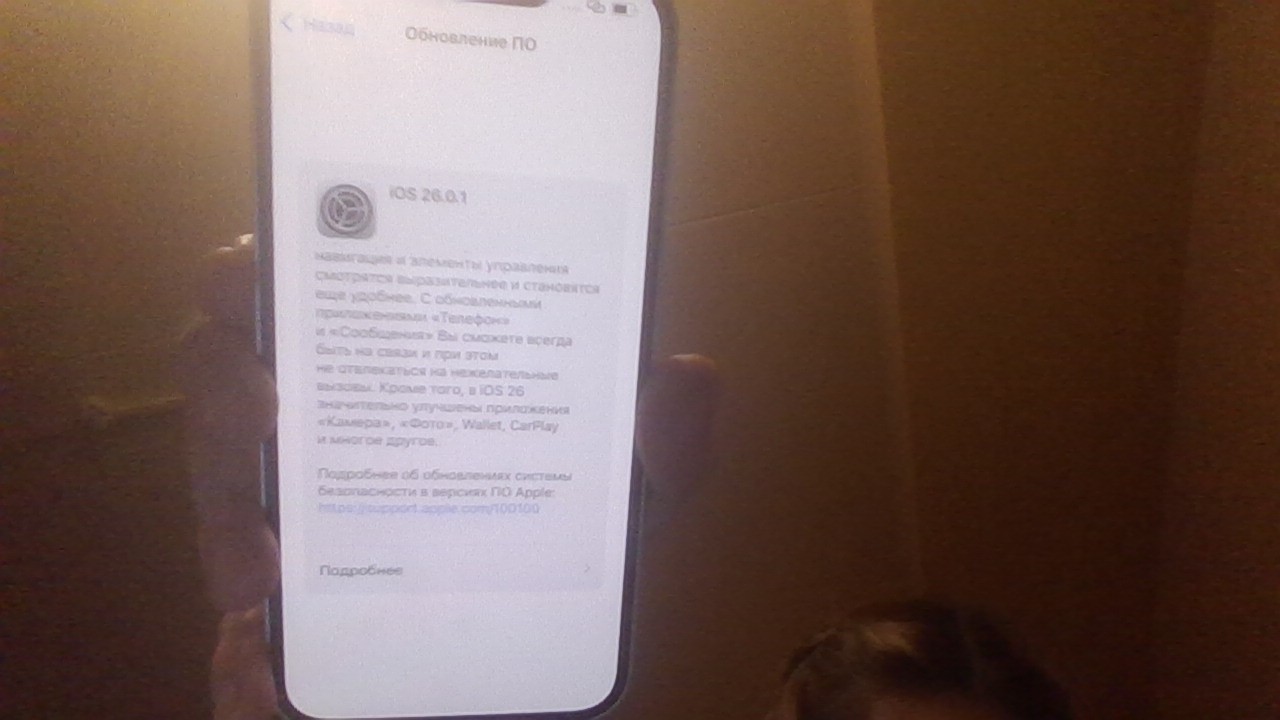
Understanding the iOS 26.4 Update: What Influences Installation Time?
Apple's iOS 26, initially released in September 2025 for compatible iPhones (including the iPhone 11 series and newer), brought a wave of exciting new features, UI enhancements, and performance upgrades. Subsequent point releases, such as iOS 26.4, typically deliver crucial bug fixes, security patches, and minor refinements that ensure the stability and security of your device. As with any significant software refresh, a common question echoes among users: "How Long Does Ios 26.4 Update Take?" The answer, however, is rarely a straightforward number. Several dynamic factors conspire to dictate the overall duration, making each user's experience unique.The Multi-Stage Update Process: A Step-by-Step Breakdown
To truly understand why the update takes the time it does, it’s essential to break down the process into its core stages. While iOS 26.4 might be a smaller download than the initial iOS 26.0 release, it still follows the same intricate pathway, each step with its own variables that influence the duration.- iOS 26.4 Download (Estimated: 10–40 minutes): This initial phase involves fetching the update file from Apple’s servers. The size of the iOS 26.4 update file plays a significant role here; while typically smaller than a full version upgrade (like iOS 18 to iOS 26), it can still range from hundreds of megabytes to a few gigabytes depending on your current iOS version. Crucially, your internet speed – specifically your download bandwidth – is the primary determinant. A blazing-fast fiber connection will pull it down much quicker than a slow, unstable Wi-Fi network. Additionally, heavy traffic on Apple's servers, especially during peak release hours, can also contribute to longer download times.
- Preparing Update (Estimated: 5–15 minutes): Once downloaded, your iPhone doesn't immediately jump into installation. Instead, it enters a "Preparing Update" phase. During this time, your device performs a series of critical background tasks: it verifies the integrity of the downloaded file, decrypts its contents, checks device compatibility, and allocates necessary system resources. This stage ensures that the installation environment is stable and ready to accept the new software without errors.
- Verifying Update (Estimated: 1–5 minutes): This is a quick but vital security step. Your iPhone communicates with Apple's servers to verify the digital signature of the update package. This ensures that the software is official, untampered with, and safe to install on your device, protecting you from potentially malicious modifications.
- Installing iOS 26.4 (Estimated: 10–30 minutes): This is arguably the most critical and noticeable part of the process. Your iPhone will restart, displaying the Apple logo along with a progress bar. During this phase, core system files are replaced, updated, and integrated into your device's architecture. It's imperative not to use or interrupt your iPhone during this stage, as tampering could lead to software corruption or a bricked device. The age and processing power of your iPhone model can influence this timeframe; newer devices often complete this step faster.
- Final Setup (Estimated: 5–15 minutes): After the installation is complete and your iPhone reboots, there's typically a brief final setup period. Your device will finalize background processes, optimize system performance for the new software, and may prompt you to log in with your Apple ID or verify Face ID/Touch ID. You might also notice some apps re-indexing or updating in the background during the first few minutes or hours after the update is fully complete, which is normal behavior.
On average, a smooth iOS 26.4 update from start to finish might take anywhere from 30 minutes to over an hour. If you're looking for more general estimated times across different iOS versions, our comprehensive guide, How Long Does iOS 26 Update Take? Get Estimated Installation Times, provides further insights.
Why Your iOS 26.4 Update Might Be Slowing Down
While the average update duration is relatively predictable, many users find their iOS 26.4 update taking significantly longer – sometimes stretching beyond an hour or two. When this happens, it usually signals an underlying issue that's impeding the process. Understanding these common bottlenecks is the first step toward troubleshooting.Common Bottlenecks and Their Impact
- Unstable or Slow Internet Connection: This is by far the most frequent culprit. A weak Wi-Fi signal, frequent disconnections, or a heavily congested network can dramatically extend the download time. If your internet connection experiences packet loss or drops out entirely, the download might pause, restart, or even become corrupted, leading to repeated attempts to fetch the file and prolonging the "Preparing Update" stage. Opt for a strong, private Wi-Fi network over cellular data or public hotspots whenever possible.
- Insufficient Storage Space: Despite appearing simple, an iOS update requires a surprising amount of free space on your iPhone. Not only does the update file itself need to be stored temporarily, but your device also requires additional room for decompression, temporary installation files, and the eventual expansion of the operating system. If your iPhone is running critically low on storage, the update process can grind to a halt, or even fail, prompting you to free up space. Experts generally recommend having at least 6-8GB free for major iOS updates, and 3-5GB for point releases like 26.4.
- Apple Server Load: Just like any digital service, Apple's update servers can become overwhelmed during peak demand. When a new iOS version or a popular point release like 26.4 is first launched, millions of users around the globe attempt to download it simultaneously. This can lead to slower download speeds for everyone, creating a digital traffic jam that extends the initial download phase.
- Device Age and Model: The processing power and internal storage read/write speeds of your iPhone significantly impact how quickly it can handle the update. Older models, such as the iPhone 11 series (which iOS 26 supports), have less powerful processors and slower storage compared to a newer iPhone 16. This means the "Preparing Update" and "Installing iOS 26.4" stages will inherently take longer on an older device due to reduced computational efficiency.
- Low Battery Level: Your iPhone is designed to protect itself. To prevent unexpected shutdowns during a critical system update, iOS typically requires your device to be at least 50% charged, or ideally, connected to a power source. If your battery is too low, the update might not even initiate or could pause mid-process, adding to your waiting time.
- Corrupted Download or Software Glitches: While less common, an unstable internet connection during the download phase can lead to a corrupted update file. Similarly, rare software glitches within your current iOS installation can interfere with the update process. These issues can cause the update to get stuck on a specific stage, requiring more intensive troubleshooting. If you find your iOS 26 Update Taking Forever? Diagnose Slow Download & Installation, understanding these underlying issues is the first step towards a solution.
Optimizing Your iPhone for a Seamless iOS 26.4 Update
To minimize the chances of a prolonged update and ensure a smooth transition to iOS 26.4, a little preparation goes a long way. Proactive steps can save you significant time and frustration.Before You Begin: Preparation is Key
- Backup Your iPhone: This is arguably the most crucial step. Before initiating any major software update, create a full backup of your iPhone to iCloud or your computer (using Finder on Mac or iTunes on Windows). In the rare event of an update failure, a recent backup is your safety net, allowing you to restore your data and settings.
- Ensure Ample Storage: Go to Settings > General > iPhone Storage to check your available space. If you're low, consider deleting unused apps, large videos, old photos (after backing them up), or clearing app caches. iOS often provides recommendations for freeing up space within this section.
- Charge Your Device: Connect your iPhone to its charger and ensure it has at least 80% battery life before starting the update. This eliminates battery level as a potential bottleneck.
- Connect to Stable Wi-Fi: Choose the fastest and most reliable Wi-Fi network available. Avoid public Wi-Fi networks which can be slow and less secure. If possible, sit close to your router for the strongest signal.
During the Update: Patience and Best Practices
- Avoid Interruption: Once the installation phase begins and the Apple logo with the progress bar appears, resist the urge to use your iPhone or perform any actions on it. Let the device complete its process undisturbed.
- Stay Connected: Keep your iPhone connected to both the Wi-Fi network and a power source throughout the entire update process.
Troubleshooting Common Update Stalls
If your iOS 26.4 update appears stuck, or takes considerably longer than the estimated times, try these steps:
-
Force Restart Your iPhone: This often resolves minor software glitches. The method varies by model:
- iPhone 8 and later (including X, XS, XR, 11, 12, 13, 14, 15, 16 series): Quickly press and release the Volume Up button. Quickly press and release the Volume Down button. Then, press and hold the Side button until you see the Apple logo.
- iPhone 7 and 7 Plus: Press and hold both the Volume Down and Sleep/Wake buttons simultaneously until you see the Apple logo.
- iPhone 6s and earlier: Press and hold both the Home and Sleep/Wake buttons simultaneously until you see the Apple logo.
- Check Network Connection: Toggle Wi-Fi off and on again. Restart your Wi-Fi router. If possible, try connecting to a different, known-good Wi-Fi network.
- Delete & Redownload Update File: If the update is stuck in the "Preparing" stage, the downloaded file might be corrupted. Go to Settings > General > iPhone Storage, find the iOS 26.4 update file, tap on it, and select "Delete Update." Then, go back to Settings > General > Software Update and try downloading it again.
- Update via Computer (Finder/iTunes): If over-the-air (OTA) updates are problematic, connecting your iPhone to a computer (Mac with Finder or Windows PC with iTunes) and initiating the update through the desktop application can often be more stable and reliable.